Record Cocaine Seizure by French Navy in Gulf of Guinea
Exceptional Interception at Sea
On 22 September 2025, the French Navy intercepted a fishing vessel with no flag in the Gulf of Guinea carrying 9.6 tonnes of cocaine. Valued at nearly €519 million, this operation marks one of the largest drug seizures of the year. The interdiction was carried out under Operation Corymbe, France’s permanent naval deployment in West Africa tasked with countering piracy and drug trafficking. Two French vessels coordinated during the mission, demonstrating integrated maritime readiness.
Ghost Vessel Profile
The targeted boat bore the hallmarks of a “phantom vessel”, a common tactic used by transnational narcotics networks to avoid maritime jurisdiction. These unregistered boats are central to the logistics of cartels seeking to evade law enforcement. In line with established procedures, the cocaine will be destroyed, while the unflagged vessel itself is released to avoid legal and diplomatic complications.
Record Year for French Navy Drug Seizures
This seizure follows a string of major interceptions in 2025, including a 6-tonne haul in late August. With more than 45 tonnes of cocaine seized by French forces this year, 2025 is already a record year according to the French Navy Chief of Staff. In total, 54 tonnes of narcotics have been intercepted in West African waters since January, underscoring the region’s rise as a critical transit hub for Europe’s cocaine supply chain.
West Africa: Key Node of Global Cocaine Trade
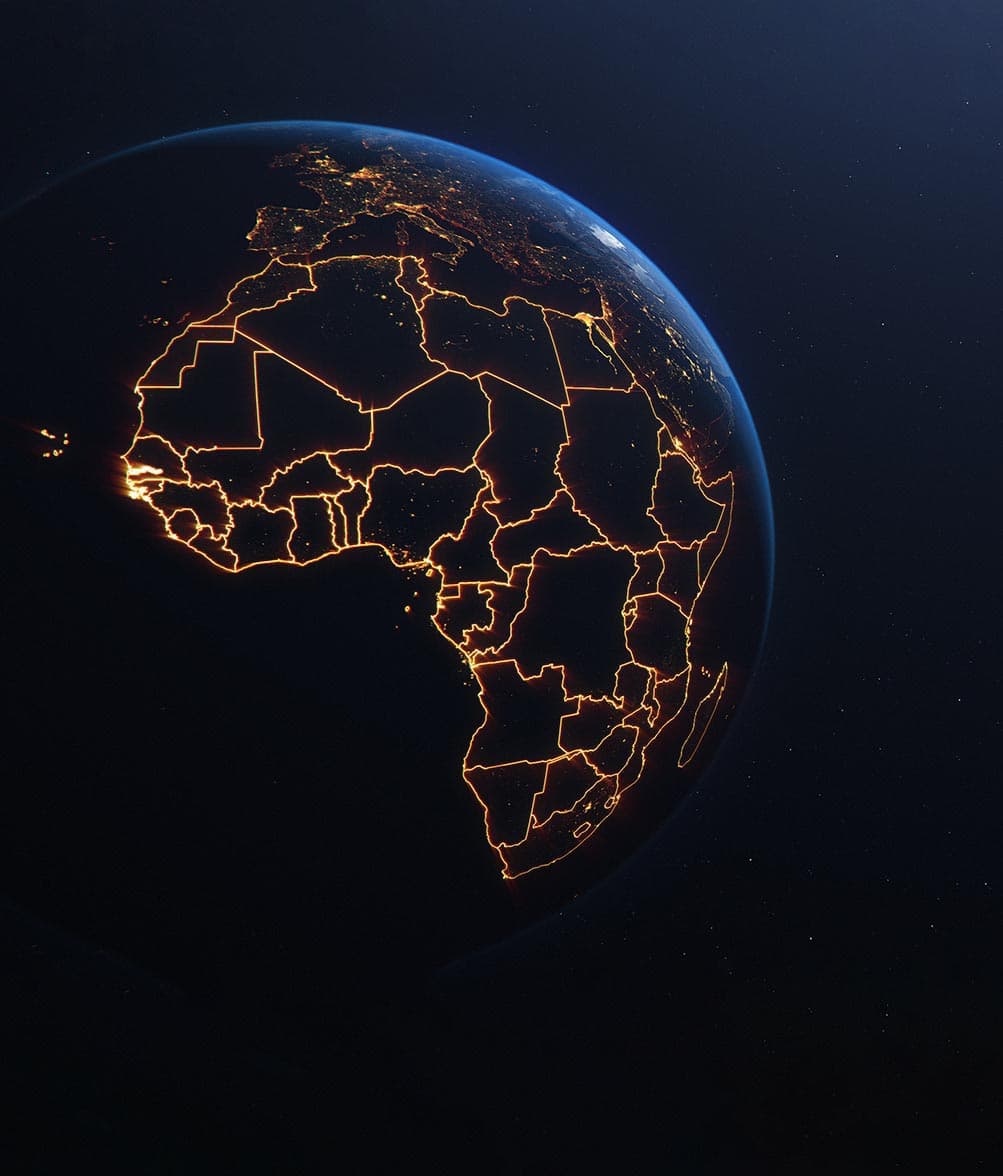
West Africa has become the central hub for the transatlantic “Highway 10” route along the 10th parallel. The trade is now dominated by Balkan criminal syndicates, including Montenegrin, Serbian, and Albanian networks, in close partnership with Brazil’s Primeiro Comando da Capital (PCC). These groups exploit weak port oversight in Senegal, Sierra Leone, Gambia, Guinea-Bissau, and Cape Verde, relying on local brokers to manage logistics, bribes, and safe passage.
International Cooperation in Counter-Narcotics
This operation highlights the value of multi-agency intelligence sharing. France’s Office Anti-Stupéfiants (OFAST), the Maritime Analysis and Operations Centre (MAOC-N), the UK’s National Crime Agency (NCA), and the U.S. Drug Enforcement Administration (DEA) all play roles in identifying and tracking shipments before interception. Such collaboration remains the strongest tool against increasingly sophisticated transnational trafficking networks.
Strategic Implications
- Short-term: The destruction of nearly 10 tonnes of cocaine disrupts immediate cartel financing but does not dismantle the larger supply chains.
- Medium-term: Continuous seizures point to sustained cartel interest in West Africa, with risks of deeper local infiltration, corruption, and violence around ports and coastal towns.
- Long-term: Unless African states expand maritime governance and regional coordination, the Gulf of Guinea risks solidifying its role as a permanent cocaine gateway to Europe.
The French Navy’s latest record seizure confirms West Africa’s centrality to the global narcotics economy. For governments, investors, and humanitarian actors operating in the region, maritime risk is inseparable from supply-chain stability. ASA assesses that vigilance, intelligence cooperation, and regional maritime capacity-building are decisive to curb cartel penetration.
African Security Analysis (ASA) stands ready to provide confidential maritime threat mapping, cartel network analysis, and tailored risk advisory at a reasonable cost for stakeholders with exposure in West African ports and sea lanes.


Discover More
Ethiopia at the Brink: The Return of War in Tigray and the Eritrean Dimension
Ethiopia is in the early stages of what may become its most dangerous security crisis since the 2020–2022 Tigray war. In late September, the TPLF announced a "defensive war" alongside six other armed groups under the banner of the Alliance for Survival coalition, seeking the removal of Prime Minister Abiy Ahmed.
Renewed Jihadist Rivalry Threatens to Reshape the Eastern Sahel
Renewed fighting between JNIM and ISSP around Tessit in eastern Mali and Oudalan province in northern Burkina Faso signals a potentially significant escalation in the struggle for control of the tri-border region.
REQUEST FOR INTEREST
How can we help you de-risk Africa?
Please enter your contact information and your requirements and needs for us to come back to you with a relevant proposal.